Farmer Jane University: LGBTQIA2S+ x Cannabis History 🏳️🌈✏️📖

How Queer History Helped Shape Cannabis Culture
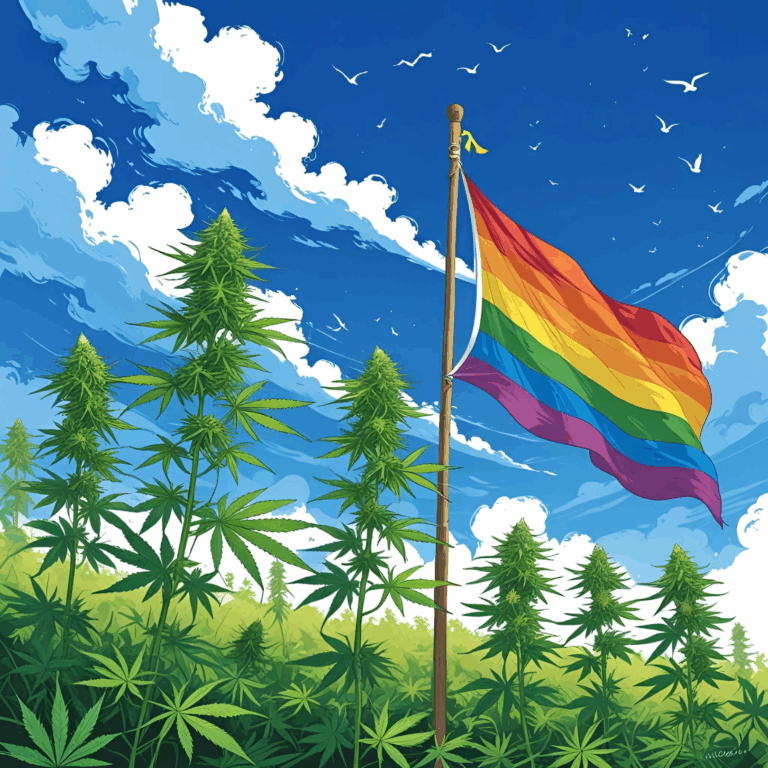
At Farmer Jane, we believe that cannabis culture is about more than just the plant—it’s about people, history, and community. As we celebrate Pride and reflect on progress, we also want to honour the deep connection between the LGBTQIA2S+ community and the cannabis movement. These two communities have long stood side by side, bound by a shared experience of stigma, resilience, and resistance. From the early days of grassroots activism during the AIDS crisis to the push for compassionate access laws, queer leaders played a huge role in shaping the cannabis landscape we know today. This blog takes a closer look at that history—how we got here, what it took, and why it matters now more than ever. We’ll explore key moments, celebrate courageous advocates like Brownie Mary and Dennis Peron, and highlight the importance of supporting queer voices in cannabis today. Because showing up for the LGBTQIA2S+ community isn’t just something we do during Pride—it’s something we believe in all year round. Uncover the fascinating truths about the history of Cannabis regarding LGBTQIA2S+ people below.
🌱 1. A Stigma in Common
Both queer folks and cannabis users have faced deep stigma for decades. In the late 20th century, LGBTQIA2S+ identities and cannabis use were both criminalized. This pushed both communities underground, forming tight-knit networks of support. Those early bonds built resilience and empathy that still resonate today. Shared exclusion from mainstream society led to shared spaces, struggles, and movements that built solidarity from the ground up.
🚨 2. Crisis, Compassion & Cannabis
When AIDS devastated queer communities in the 1980s, help was scarce. Hospitals were overwhelmed. Cannabis began popping up spontaneously in wards, easing nausea, pain, anxiety, and loss of appetite. Compassionate leaders like Brownie Mary and Dennis Peron became lifelines, distributing relief and hope. Their work blurred boundaries between medicine, activism, and love. In a time when governments failed to act, it was community care—powered by cannabis—that kept many going.
🏛️ 3. From Brownies to Ballots
These activists weren’t just caring—they shifted laws. Brownie Mary baked medicated treats, was arrested, and sparked a public outcry that moved hearts. Peron, after losing his partner to AIDS, opened the San Francisco Cannabis Buyers Club and led Prop P in 1991. These grassroots acts shifted cannabis from taboo to therapy—and eventually into legal policy. By humanizing cannabis users and telling the truth about its healing power, they reshaped public opinion and policy from the inside out.
⚖️ 4. Legal Wins & Growing Pains
Victory came, but the journey wasn’t over. California’s Prop 215 in 1996 was the first U.S. medical cannabis law, born from queer-led activism. But with 2016’s adult-use legalization (Prop 64), regulations favoured big players, squeezing out small queer and BIPOC operators. The fight shifted from legality to equity. Even as the industry grows, it’s clear that the people who built this movement risk being pushed out without intentional inclusion.
🌈 5. Today: Queer Leadership & Culture
The legacy continues. LGBTQIA2S+ brands, cultivators, and advocates are stepping up—leading research, policy, and social justice work. Drag artists, trans entrepreneurs, and Two-Spirit leaders are taking centre stage in media and campaigns. They’re ensuring cannabis remains a force for healing—rooted in queer values of radical compassion. Today’s queer cannabis leaders carry forward the spirit of activism with boldness, creativity, and care for their communities.
🔭 6. Looking Ahead: Growth With Heart
Now’s the time to protect and uplift. We need to back queer-friendly cannabis ventures, from brands to research. Push for fair policies, like reduced taxes and simplified licensing. Invest in centres for health and equity, including mental health studies and harm reduction. Mainstream cannabis should lift up all communities, not leave them behind. Actual progress means building an industry that reflects the diversity, resilience, and care that helped legalize it in the first place.
💚 7. Why This Matters
This history isn’t just nostalgic—it’s a roadmap: It shows us cannabis was once about community care, not just profits. Queer activism shaped legalization and access. Honouring that means supporting queer-owned businesses, research, and policies today. It’s a reminder that the cannabis industry has a responsibility to remember where it came from and to build a future that’s just as compassionate as its past. We at Farmer Jane are proud to support LGBTQIA2S+ communities using our platform and business practices.
📘 Learn More
Curious to dive deeper? Check out these top reads:
-
Brownie Mary Is the Reason You Can Get Medical Marijuana Today (Bon Appétit, 2019)
-
Dennis Peron’s San Francisco and the incredibly queer history of medical marijuana (Christopher Trout, 2022)
-
The Queer History of Cannabis: How the LGBTQ+ Community Fueled the Movement (EDGE, 2024)
-
What We Owe the Queer Community (Proof Cannabis, 2021)
-
Breaking Barriers: How LGBTQ+ Advocates Are Reshaping Canada’s Cannabis Industry (Canadian Pride)
The cannabis industry we know today didn’t bloom overnight; it was cultivated through decades of care, courage, and community. So much of that progress is thanks to LGBTQIA2S+ advocates who fought not just for access but dignity, healing, and justice. As we move forward, it’s our responsibility to honour that legacy by continuing to show up—supporting LGBTQIA2S+ friendly cannabis businesses, creating inclusive spaces, and keeping compassion at the heart of what we do. Because at Farmer Jane, we know that cannabis is about more than getting high; it’s about lifting each other up.
Highest Regards,
𝐹𝒶𝓇𝓂𝑒𝓇 𝒥𝒶𝓃𝑒